
Sources for Long Beach Previous Residents
A house history needs a time map. Deeds answer recorded ownership and encumbrance questions. Directories and census schedules add dated household clues. Sanborn maps and permits explain the building. Newspapers and probate can close a departure or death trail. The sources do not cover the same years or show the same people.
| Source | Years It Covers | Where Held | What It Shows |
|---|---|---|---|
| LA County recorded real estate | 1850-present; viewing groups 1851-1957 and 1958-present | RR/CC Norwalk | Parties, instrument identity, legal description, ownership chain |
| Digital Polk directories | Most years, 1899-1969 | LBPL Digital Archive | Listed adults, spouse, address, occupation, business context |
| Physical and microfilm directories | Most volumes; exact run not published | BJK Main Library | Missing years and reverse street sections |
| Federal census schedules | 1900-1950 currently public | NARA and library access | Household relationships, ages, birthplace, enumeration order |
| Sanborn maps | 1888-1950 local microfilm | LBPL and Library of Congress | Footprint, use, materials, street and number context |
| Permits and newspapers | Current and historical spans vary | Long Beach and LBPL | Construction, notices, obituaries, events, address clues |
Begin with the era that matters. For a nineteenth-century owner, the county recorder and rancho or subdivision history lead. For a 1920s household, annual Polk editions, newspapers, Sanborn sheets, and permits can show change. For a postwar household, directories through 1969 and the local newspaper bridge the closed census years.
The LBPL digital directory gateway supplies the name and address layer for previous residents.
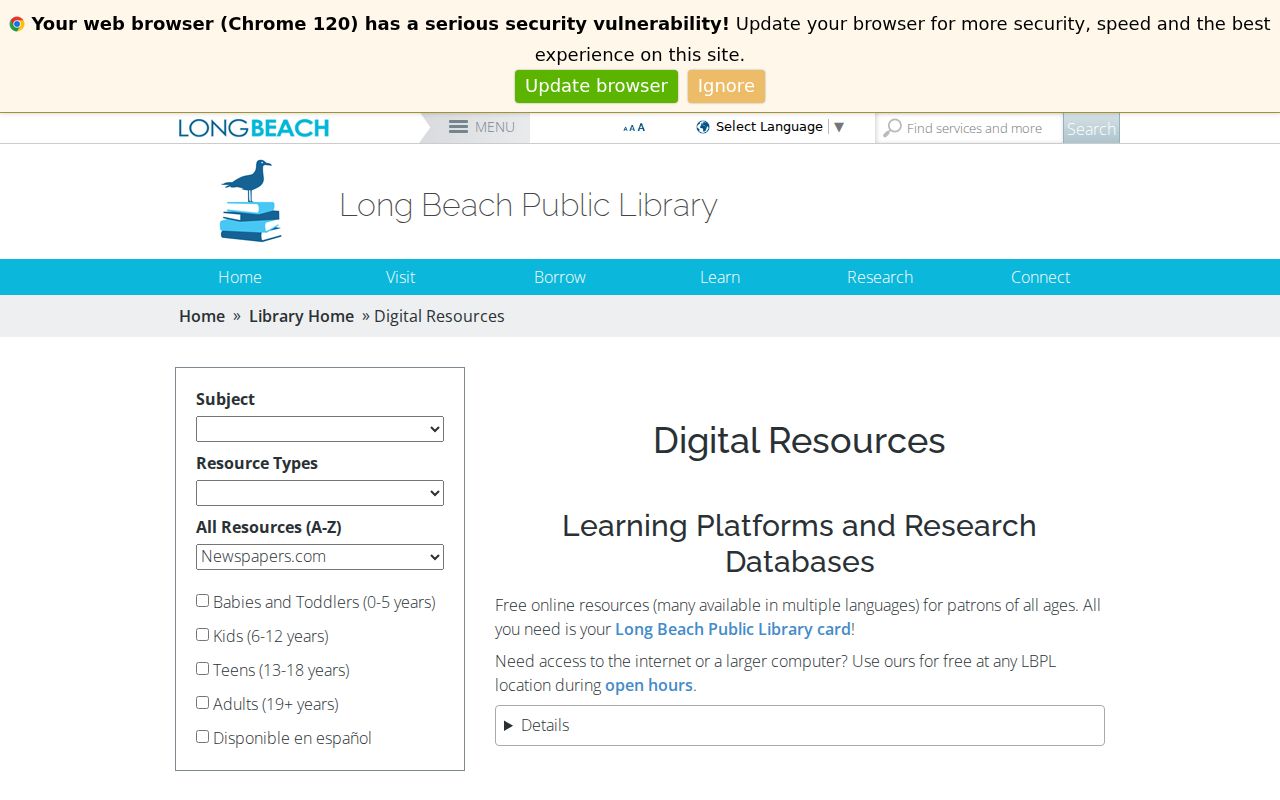
Use the printed page image and volume year as the citation. OCR is a search aid, not a substitute for the page.
Start Long Beach Previous Residents with the Parcel
Enter the address in the LA County Assessor Portal and record the AIN, situs, legal description, parcel map, year-built field, values, and relevant building facts. The public portal does not advertise owner-name search, and its card may suppress the current owner’s name or mailing address. It is a parcel key, not a complete account of who lived there.
Open the Assessor Map to compare the subject polygon with neighboring parcels. A tract, lot, map reference, or legal description can survive a street rename or number change better than a copied postal line. Keep a worksheet with the modern address, former names, AIN, legal description, map sheet, and each source year.
Previous residents research gets weaker when the first step starts with a guessed person. The parcel gives the trail a fixed place, while later records supply names and dates.
Long Beach Previous Resident Deeds
Los Angeles County’s recorder index is not online and cannot be searched by street address. It is organized alphabetically by grantor, grantee, and recording year. A grantor transfers an interest. A grantee receives an interest. The county’s real-estate collection reaches county formation, stated as 1850 on request pages, with onsite viewing grouped as 1851-1957 and 1958-present.
- Capture the current parcel AIN, legal description, and map reference from the Assessor.
- Obtain a known current deed or lawful owner name from the document or custodian channel.
- Search that owner as grantee in the likely acquisition year at the Norwalk RR/CC index.
- Record the seller as grantor, then search that seller as grantee in earlier years.
- Repeat the alternating grantor-to-earlier-grantee path, checking trusts, estates, quitclaims, and related instruments.
- Order the complete document using title, parties, year, document number, book and page, and APN.
- Grantor
- The party shown as transferring an interest in the recorded instrument.
- Grantee
- The party shown as receiving the interest.
- Chain of title
- The linked sequence of recorded transfers and related instruments for one parcel.
- Legal description
- Tract, lot, block, or other property language that can outlast a street label.
The Norwalk counter is at 12400 Imperial Highway. Mail requests go to P.O. Box 1130, Norwalk, California 90651-1130, and the county states a 20 working day processing period. Phone 800-201-8999 option 3 can answer record questions, but not conduct the index search.
The Los Angeles Superior Court archives page shows the fallback path when a past resident’s probate or court file is no longer at a remote portal.
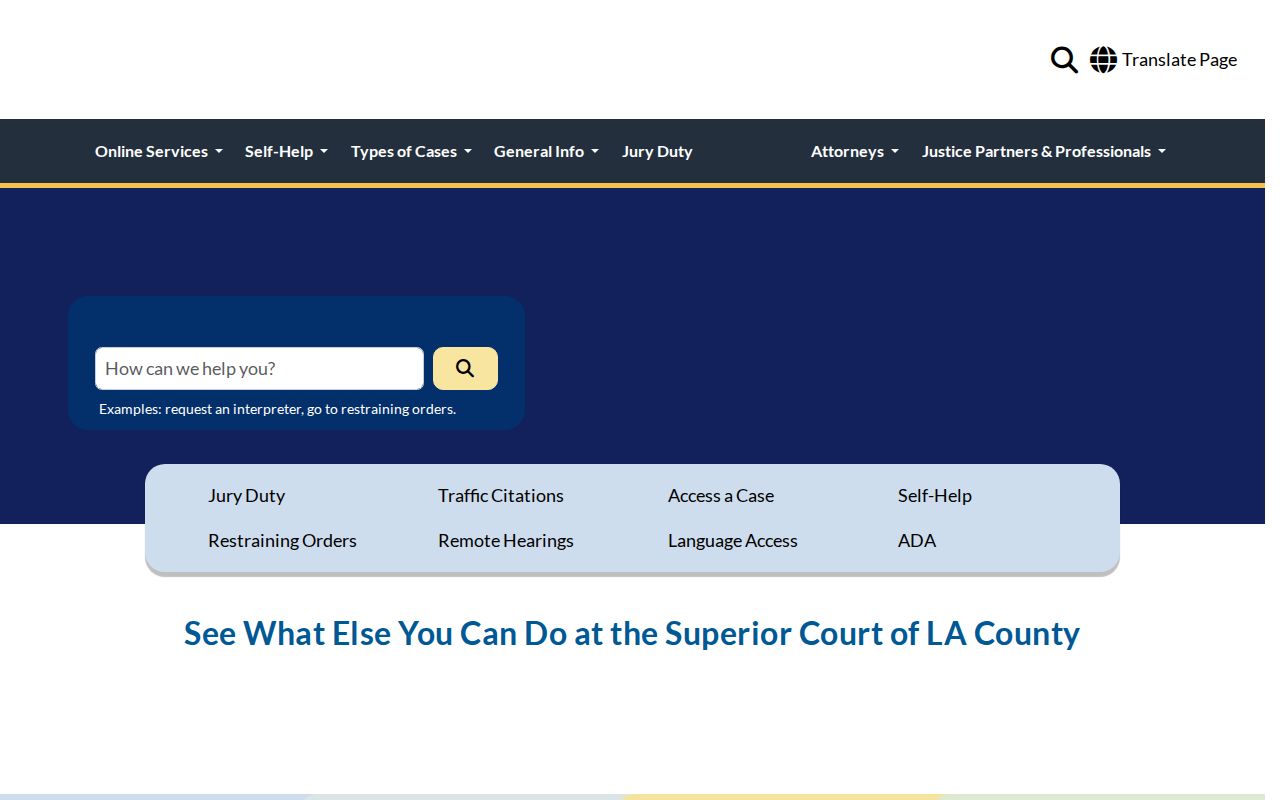
An archive request should name the case number, parties, case type, approximate year, and exact document sought. A docket title and date are more useful than a request for an undefined whole file.
Long Beach Previous Residents and Street Names
Long Beach’s address history has real continuity traps. California Avenue became Martin Luther King Jr. Avenue in 1986 on the East 7th to East 21st stretch. Long Beach Boulevard was American Avenue through at least 1949. Search both names in directories, maps, permits, and newspapers, and cite the source year for the old form.
House numbers can also differ in early sources. A legal description, tract and lot, parcel map, or mapped building footprint is the better bridge. A first directory appearance can bracket occupancy. An assessor year-built field can be broad. A permit can date work rather than a move. Use the three as related but distinct evidence.
Note: a modern street string is a starting clue, not a reliable nineteenth- or early twentieth-century identifier by itself.
Long Beach Previous Resident Maps
Sanborn fire-insurance maps cover the local collection from 1888 through 1950 on LBPL microfilm, with some Library of Congress sheets online. They can show a building footprint, use, construction materials, outbuildings, street context, and changing number patterns. They do not name previous residents. Their value is spatial and structural.
Long Beach Community Development permits add work dates, scope, status, valuation, inspections, applicants, and contractors when those fields are public. A permit demonstrates authorized construction or alteration. It does not identify every person who occupied the building. Compare permit milestones with a directory appearance, Sanborn footprint, and assessor year-built field before describing a house history.
The 1933 earthquake is a useful local story. The 6.4-magnitude event killed 120 people and caused an estimated $50 million in damage. Repair and reconstruction records can explain a break in the physical trail, and the disaster led to California’s Field Act for public-school construction.
Past Households in Long Beach Directories
Printed directories cover the human layer that a deed chain misses. The digital Polk run has most years from 1899 through 1969. Physical and microfilm holdings may fill a digital gap and may include street or reverse sections. An alphabetical entry can show a listed adult, spouse notation, widow mark, address, occupation or work location. A street section can move from number to listed adult.
Search the closest year by surname, record the exact line, then move year by year. A last appearance can bracket departure, death, a new surname, or an omitted listing. Browse before and after the hit for relatives. For an address-first search, read house numbers in order and then confirm the name in the alphabetical section.
The collections themselves, including the library shelf, digital archive, and entry legend, are covered on the Long Beach city directory collections page. This backward-trail page uses those volumes as evidence for one address rather than repeating the entire shelf guide.
Long Beach Previous Resident Census
Census schedules and directories answer different questions. Federal schedules currently public include 1900, 1910, 1920, 1930, 1940, and 1950. They can show ages, relationships, birthplace, citizenship, occupation, tenure, and nearby households at an enumeration date. A directory can fill the years between those snapshots with address and listed-adult clues.
- Find a directory entry and write the exact address, name, year, page, and spelling.
- Locate the likely census year and use maps, street order, and address context to find the relevant enumeration area.
- Compare names, ages, relationships, birthplace, and address clues without assuming the census page follows modern block lines.
- Return to directory years before and after the census to bracket arrival, departure, or household change.
- Use newspaper, obituary, probate, deed, and permit records to test a gap.
Enumeration order is not always exact modern adjacency, especially after boundary or street changes. Record it as census evidence, not a precise parcel map.
Long Beach Previous Residents in Probate
Probate and obituary records can explain why a prior owner or listed adult disappears. The Superior Court case index may show a decedent, petitioner, personal representative, estate name, hearings, case status, and document titles. The clerk or Archives and Records Center can supply a public petition or order when the case file is not remotely viewable.
Local newspaper microfilm can add surviving relatives, former addresses, funeral notices, or a move. LBPL’s Press-Telegram run begins in 1924, with predecessor titles reaching into the early twentieth century and early gaps. A cemetery record can confirm burial, while a probate document confirms an estate relationship. Those facts should be compared, not merged into one unsupported story.
When an estate transfer interrupts the deed chain, search the decedent, representative, trust, and related instrument titles around the same recording date. Do not label every heir a past resident without an address record.
Long Beach Previous Resident Worksheet
Separate columns make previous residents research easier to audit. Use one row per source and year, and keep uncertainty visible.
| Column | Example question | Why it matters |
|---|---|---|
| Address and former name | Which street label and number did the source print? | Bridges renames and numbering changes |
| Parcel key | What AIN, tract, lot, or map reference persists? | Ties the modern site to older property records |
| Record relationship | Owner, listed adult, applicant, heir, or case party? | Prevents ownership and occupancy from collapsing |
| Source date | When was the record created or published? | Turns a claim into a dated snapshot |
| Confidence and gap | What is missing or unresolved? | Stops a missing volume from becoming an invented link |
Sanborn, permits, directories, census, newspapers, deeds, and probate should be cited by title, repository, year, page or case number, and access date. A strong worksheet can show where the trail ends without pretending it continues.
Limits on Long Beach Previous Residents
County deeds begin in 1850, but a complete chain may require books, films, counter work, archives, or a missing volume. The digital directory run says most years, not every year. Sanborn coverage is not every sheet for every address. A permit archive’s historical start date is not published. A gap is a research result that should be labeled as a gap.
Previous residents research is strongest for house history, family history, and a documented property timeline. It cannot promise every adult who stayed there, prove a present location, or substitute an official record for a family story. For current parcel-by-parcel work, use the Long Beach by-address page.
Lawful use. Long Beach past-resident research belongs in family history, architecture, genealogy, and personal curiosity. Do not use a historical address trail to stalk, harass, intimidate, or harm a living person.
Note: a careful house history states whether each fact concerns ownership, occupancy, building change, family relationship, or a dated directory listing.